Discover Beacon top Paving Contractor for Reliable Paving Solutions
Discover Beacon top Paving Contractor for Reliable Paving Solutions
Blog Article
Paving Solutions: Enhance Your Property With Professional Paving Services
Professional surfacing services offer considerable advantages for property enhancement. They not only boost aesthetics but also increase functionality. Choosing the best materials, such as bitumen or interlocking pavers, can guarantee durability and design. The installation process is critical for achieving lasting results. Yet, many homeowners ignore essential maintenance refer to resource practices that can extend the life of their investment. Understanding these elements is crucial for making informed decisions about outdoor spaces. What comes next may surprise you.
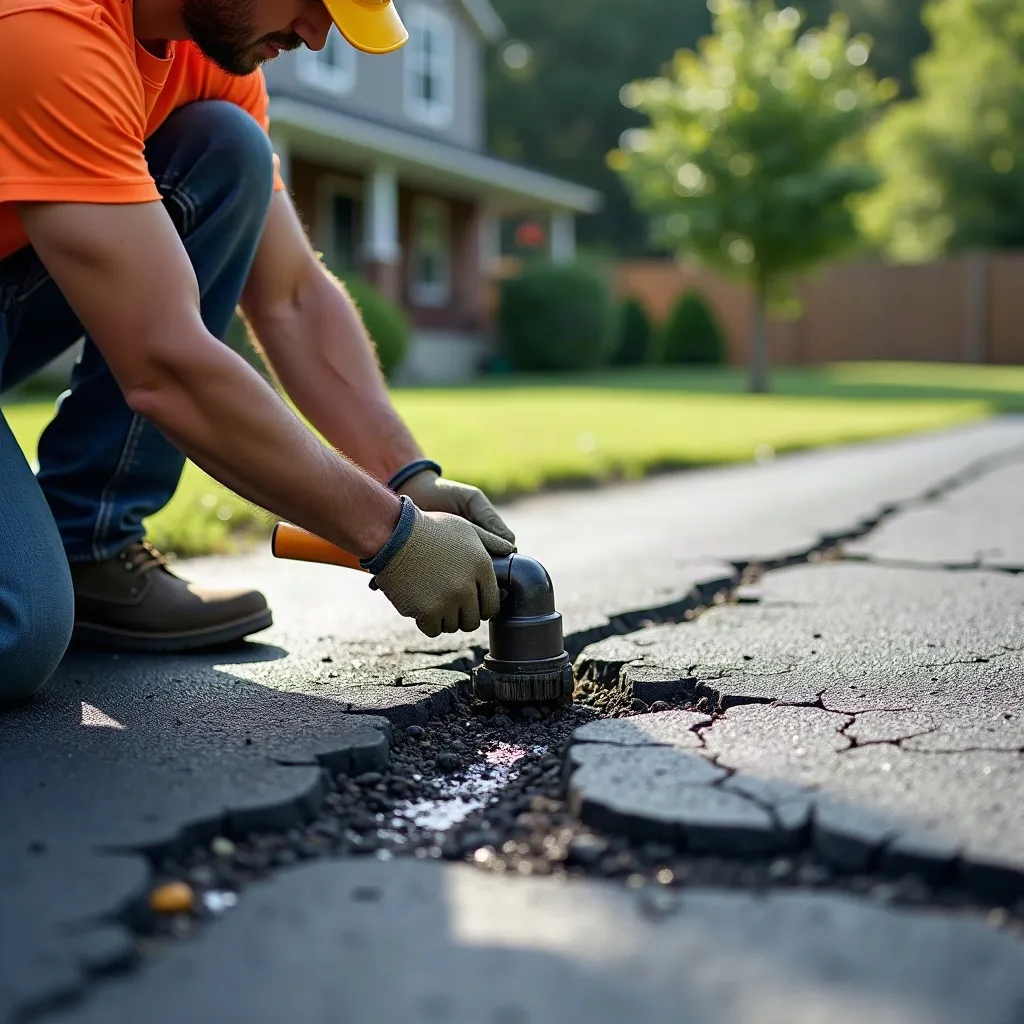
Professional Paving Solutions Enhance Your Property - Here is The Reason
Professional paving services revolutionize outdoor spaces, improving both practicality and aesthetics. By utilizing expert techniques and modern equipment, these solutions ensure the meticulous groundwork and placement of different pavement types. This attention to detail results in sturdy, enduring outcomes that withstand wear and tear while preserving visual appeal.
Moreover, professional pavement boosts asset worth, forming appealing pathways, driveways, and outdoor areas that interest potential investors. A completed pavement surface improves safety by reducing obstacles like rough surfaces and thick mire, furthering a more rewarding outdoor setting.
Moreover, veteran consultants can create individualized concepts fashioned to customer desires, confirming that all projects supports the property's unique character.
Choose the Top Pavement Options for Your Project
How can homeowners select the perfect paving materials for their projects? Selecting the right material is crucial for both functionality and aesthetics.
First, property owners should consider the exact function of the paved area. For driveways, resilient materials like asphalt or concrete are often preferred due to their strength and longevity. In contrast, for patios or walkways, alternatives including pavers or bricks can deliver visual appeal and versatility.
Next, atmospheric conditions plays a significant component. Regions with heavy rainfall may benefit from permeable materials that make possible for more effective drainage, curtailing the exposure of deluge.
Also, maintenance requirements should be reviewed; some materials require more maintenance than others.
Finally, budget constraints will influence the decision. While premium materials may require a larger initial investment, they often lead to sustained financial benefits through durability and lower maintenance expenses.
Therefore, comprehensive assessment of these factors will enable property owners to make knowledgeable selections.
Asphalt Paving Advantages
Asphalt paving stands out as a top option for homeowners seeking long-lasting and cost-effective solutions for their pathways and driveways. One of its main advantages is its durability; asphalt can withstand heavy traffic and harsh weather conditions, making it perfect for residential use.
In addition, asphalt is reasonably economical in relation to other paving materials, facilitating homeowners to accomplish a superior quality appearance without going over budget. The installation process is also prompt, regularly wrapped up within a day, minimizing disruption to daily life.
In addition, asphalt is straightforward to maintain, calling for just periodic protective coatings to prolong its lifespan. These advantages make asphalt paving a smart and economical decision for improving property look and utility.
Interlocking Paver Positives
For homeowners exploring paving options, interlocking pavers provide distinct advantages that enhance both aesthetics and functionality.
These versatile pavers come in different shapes, colors, and textures, enabling imaginative layout options that can match any property style. Additionally, interlocking pavers offer exceptional durability, preventing cracking and shifting, which is particularly valuable in regions with unstable temperatures.
Moreover, their unique design promotes effective moisture management, reducing the likelihood of flooding and erosion. This permeability also supports ecological preservation by enabling rainwater to restore groundwater supplies.
All in all, the trouble-free setup and upkeep makes interlocking pavers a realistic option, allowing property owners to appreciate their gorgeous pavement without constant maintenance burden.
Preliminary Site Review
What factors impact the preliminary site evaluation for paving installation? Several crucial points come into play during this essential stage. First, the topography of the land is examined to detect any slopes or drainage concerns that could affect the paving process. Next, the current soil conditions are reviewed, as different soil types can affect stability and durability. Additionally, site accessibility is considered to determine how equipment and materials will be transported. Local regulations and zoning laws are examined to confirm compliance. Finally, existing structures and vegetation are inspected to prepare for any required removal or protection. This detailed evaluation sets the foundation for a successful paving project, guaranteeing that all potential challenges are handled from the start.
Installation Phases Explained
With a full site assessment completed, the paving installation process can commence.
The opening phase entails site preparation, where any existing materials are extracted and the ground is leveled. Subsequently, a base layer is positioned, generally made up of rock fragments or crushed stone, which furnishes structural support and drainage capacity.
Subsequently, the selected paving material—such as asphalt or concrete—is installed. This step necessitates careful application to assure a level surface and proper alignment.
Once the paved surface is positioned, it goes through compaction to strengthen durability. Finally, the setting process commences, enabling the material to properly set.
Throughout the procedure, clear dialogue with the property owner is essential to resolve any issues and assure contentment with the final outcome.
Paving Maintenance Tips for Long-Lasting Condition
While asphalt areas are built for durability, regular maintenance remains important to ensure their lasting value. Routine inspections should be conducted to identify surface damage, holes, or deterioration. Prompt repairs can prevent continued deterioration and extend the useful life of the pavement.
Moreover, maintaining the surface clean is important; debris, leaves, and dirt can retain moisture, leading to deterioration. Regular cleaning and occasional power washing support maintain a pristine appearance and functionality.
Applying sealant every few years can protect the surface from weathering and UV damage, while also enhancing its visual appearance.
Ultimately, addressing drainage issues is essential. Proper drainage systems prevent water collection, which can erode the paving material over time.
How to Locate a Reliable Paving Contractor
Locating a dependable paving contractor is a essential step for property owners working to set up or upgrade their paving surfaces. To get started, individuals should request recommendations from acquaintances, loved ones, or neighboring enterprises that have recently completed paving projects. Online reviews and feedback can also supply insights into a contractor's reputation.
Once potential contractors are located, it is essential to confirm their credentials, such as licenses and insurance. A professional contractor should offer a comprehensive written estimate that outlines the project parameters, materials, and timeline.
Additionally, requesting endorsements from previous clients can help assessing the contractor's credibility and standard of work. It's furthermore prudent to inquire into warranties on materials and workmanship.
In the end, promoting transparent communication and candor during initial consultations can establish a strong relationship built on trust, ultimately resulting in a completed paving undertaking that meets expectations.
Common Questions Posed Often
How long Does a Standard Paving Project Take to Complete?
A typical paving job typically requires 1-3 days to complete, based on factors including the size of the project, intricacy, climate, and preparation requirements. Effective planning can help expedite the process effectively.
What Permits Do You Require for Paving Placement?
Normally, concrete paving requires permits such as local permits, zoning consent, and environmental assessments. Rules differ based on place, so liaising with jurisdictional officials secures adherence with pertinent legal requirements for the project.
Can Paving Be Completed in Winter or Wet Weather?
Paving can be difficult during winter or rainy seasons due to temperature and moisture concerns. Cold weather can impede proper curing, while excessive rain may cause pavement problems, leading to potential sustained deterioration. Careful planning is essential.
What Can I Do if My Asphalt Cracks?
If pavement cracks, the first step is to evaluate the damage. Subsequently, clean the region thoroughly, seal the cracks with appropriate filler, and consider professional repair to avoid additional damage and preserve protection.
What approaches should I take to verify that my surfacing expert is licensed?
To determine if a paving contractor holds a professional license, one must authenticate credentials through local licensing boards, demand a copy of their license, and check for insurance coverage, guaranteeing compliance with industry regulations and safety standards.
Report this page